Industry News

10 Common Mistakes Beginners Make When Choosing Electronic Components (and How to Avoid Them)
When you’re just getting

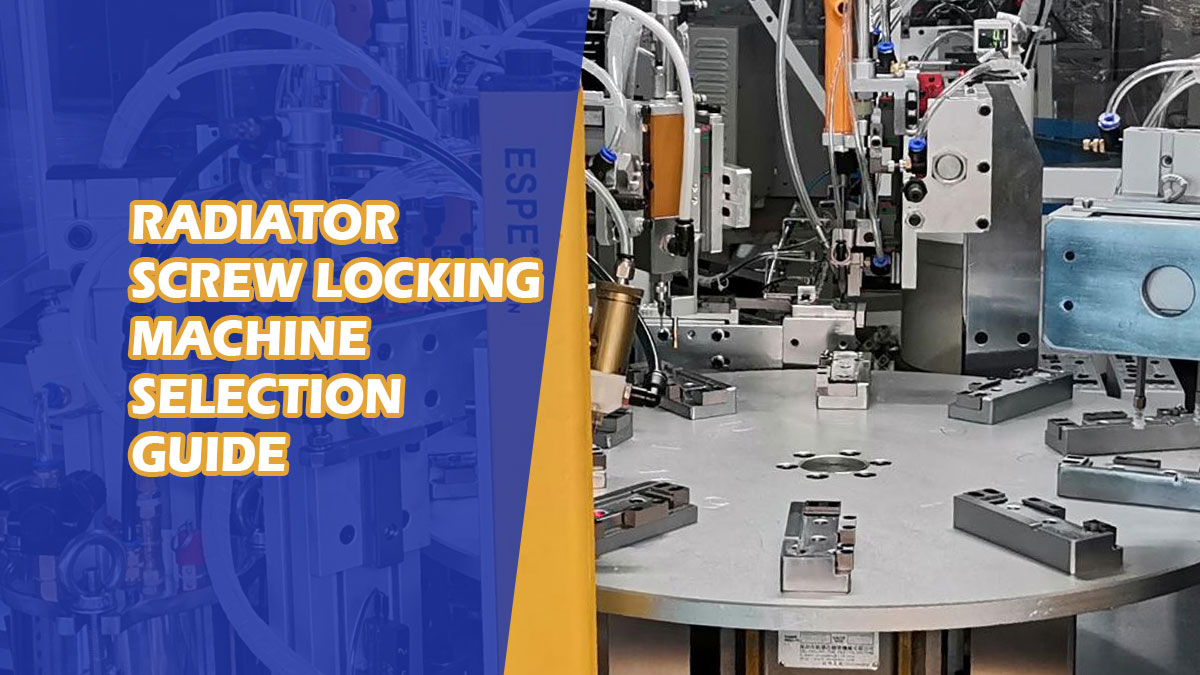
In the wave of industrial automation, fully automatic screw locking machines have become essential tools for improving assembly efficiency and reducing labor costs. With the wide variety of equipment types on the market, how can you make the right choice? This article will systematically review the mainstream types to help you make an informed decision!
Principle: Equipped with multiple electric screwdrivers (main spindles), customized based on the screw hole layout of the product.
Features: Extremely high efficiency (locks multiple screws simultaneously), good stability, designed for specific applications.
Suitable for: Mass production with standardized products, where screw hole positions are fixed (e.g., circuit boards, appliance housings, mounting brackets).
Limitations: Low flexibility; product changeover requires adjustment or replacement of fixtures/spindle positions. Higher initial investment.
Principle: Driven by a motion platform (XYZ three-axis or more), precise positioning of one or multiple electric screwdrivers.
Features: Excellent flexibility (program-controlled paths), strong adaptability (different hole positions, various products), high positioning accuracy.
Suitable for: Multi-variety, small-batch, or products with complex, varying screw hole positions (e.g., smartphones, smart devices, automotive electronic parts, toys).
Types:
Principle: The automatic screw feeder (often air-blown or vacuum-based) and the locking mechanism are highly integrated into the same machine body.
Features: Compact structure, small footprint, short feeding path, high stability.
Suitable for: Most applications, especially in space-limited or high-stability environments.
Principle: The screw feeder and locking execution mechanism (e.g., multi-axis head, coordinate platform, or robot) are physically separated, connected via feeding tubes.
Features: Flexible layout, feeders can be placed away from the main unit (ideal for vibration or high-temperature environments), one feeder can serve multiple locking heads.
Suitable for: Special environmental requirements, long-distance feeding, or centralized feeding with distributed locking scenarios.
Features: Compact size, lightweight, can be placed on a workbench.
Suitable for: Small parts, laboratories, repair stations, lightweight production, or space-constrained environments.
Features: Independent machine body, stable placement on the floor, more robust structure, accommodates larger operational range and multi-axis systems.
Suitable for: Medium to large parts, standard production lines, environments requiring high stability and large production capacity (most common type).
Principle: Compressed air blows screws through pipes to the screwdriver.
Features: Fast speed (especially suitable for small screws), longer transmission distance, relatively simple structure.
Suitable for: Screws smaller than M5, where screws do not easily tangle or jam. Requires high consistency in screw size, thread, and washers.
Principle: The screwdriver head is equipped with a vacuum nozzle that directly picks up screws from a pre-arranged material tray or track and moves them to the hole for fastening.
Features: More precise positioning, less chance of screw misalignment or floating lock, ideal for irregular screws or those with washers, and those prone to jamming.
Suitable for: Larger screws (M3 and above), special screws (long screws, screws with washers/gaskets), high-precision fastening environments. Speed is generally slightly slower than air-blown feeding.
Functions: Automatically feeds screws, locks them, and performs basic checks (e.g., torque, thread slipping, floating lock).
Suitable for: Standard locking needs.
Functions: Builds on the basic model with additional features:
Suitable for: High precision requirements, flexible mixed-line production, data-driven management, and key quality control points.
When selecting, consider the following key factors:
The types of fully automatic screw locking machines are diverse, ranging from highly efficient, specialized multi-axis machines to flexible, versatile coordinate or robotic types, with different feeding methods (air-blown/vacuum) and forms (desktop/floor-mounted). Each type has its unique advantages and applicable scenarios. Understanding these categories and their core features is key to successfully introducing an automated locking solution and achieving cost reduction and efficiency improvement goals.
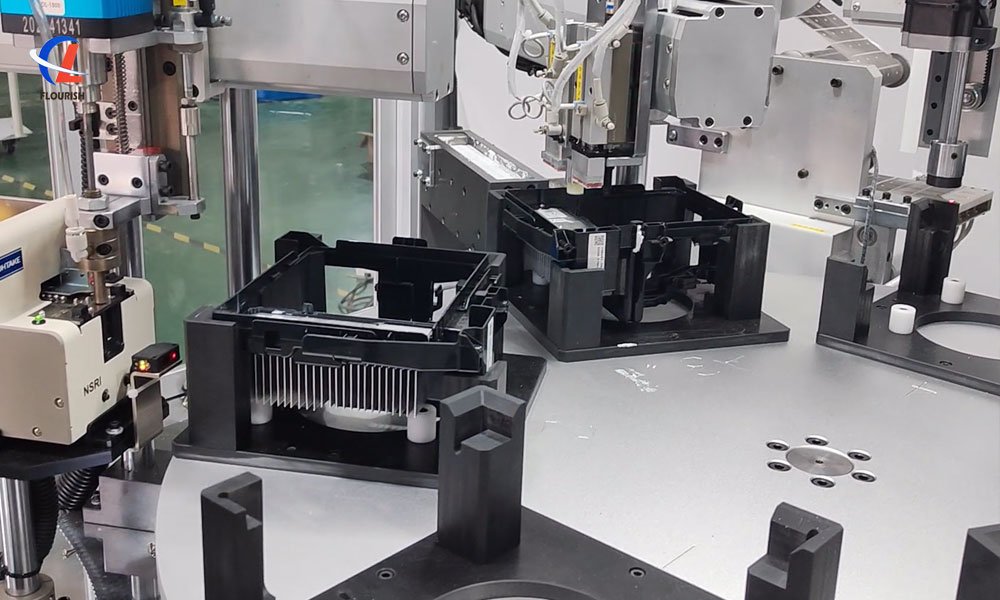
Heatsink Locking for Small Appliance Products – Work Scenario
Flourishe has been deeply involved in the automation of transistor heatsink screw fastening for 20 years, offering a full range of solutions from multi-axis and coordinate-based systems to robotic fastening systems. We have a professional team ready to tailor the best solution for your product characteristics and production needs, and we also provide free consultations and sample testing services!
When you’re just getting
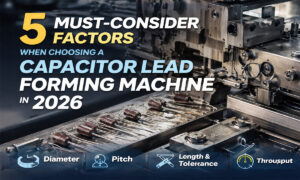
Choosing the right capaci
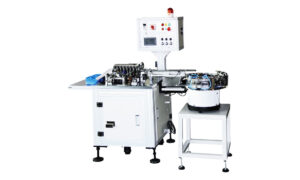
A capacitor lead cutter i
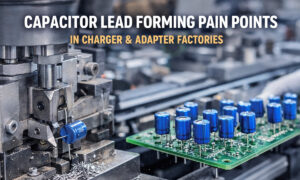
Charger and power adapter
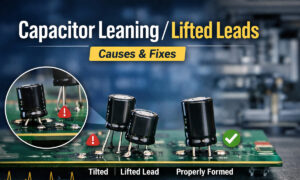
If your through-hole (rad