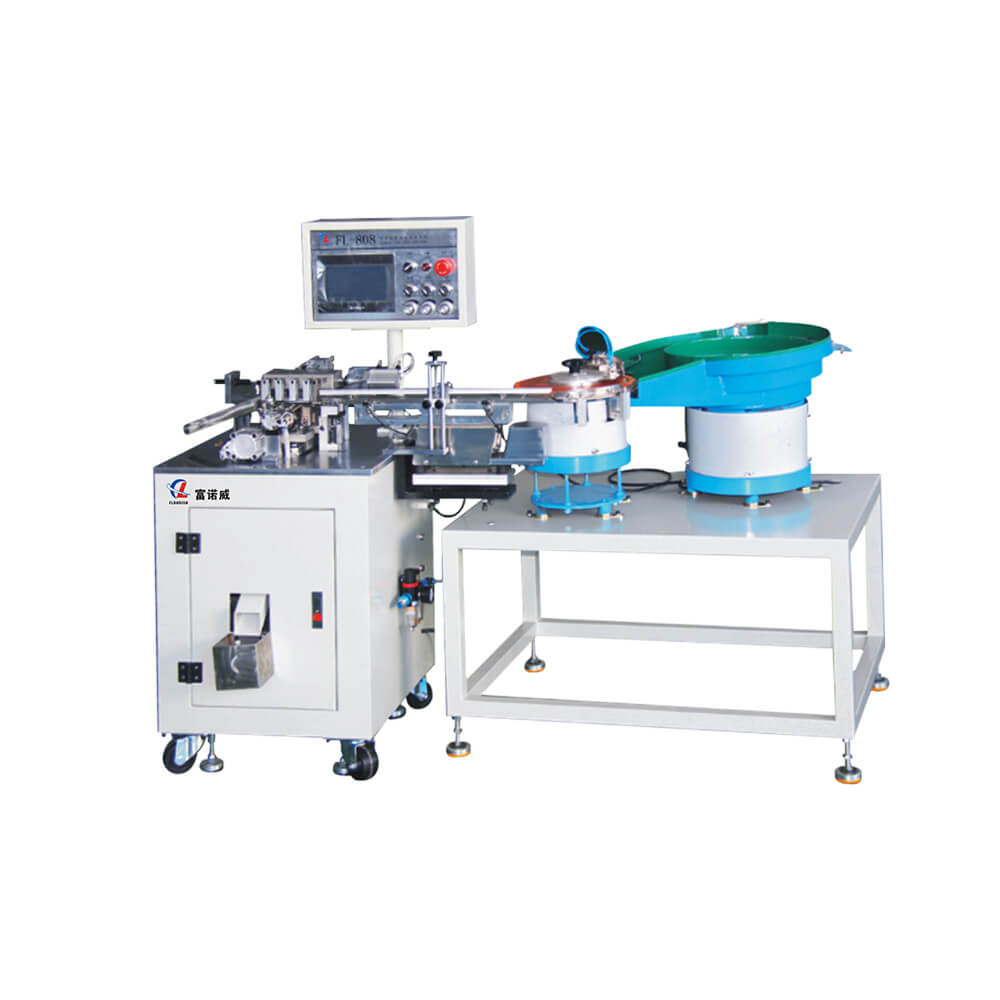
FL-817
Fully automatic bulk forming
Automatic feeding, orientation, cutting and forming for bulk radial capacitors.
View Details

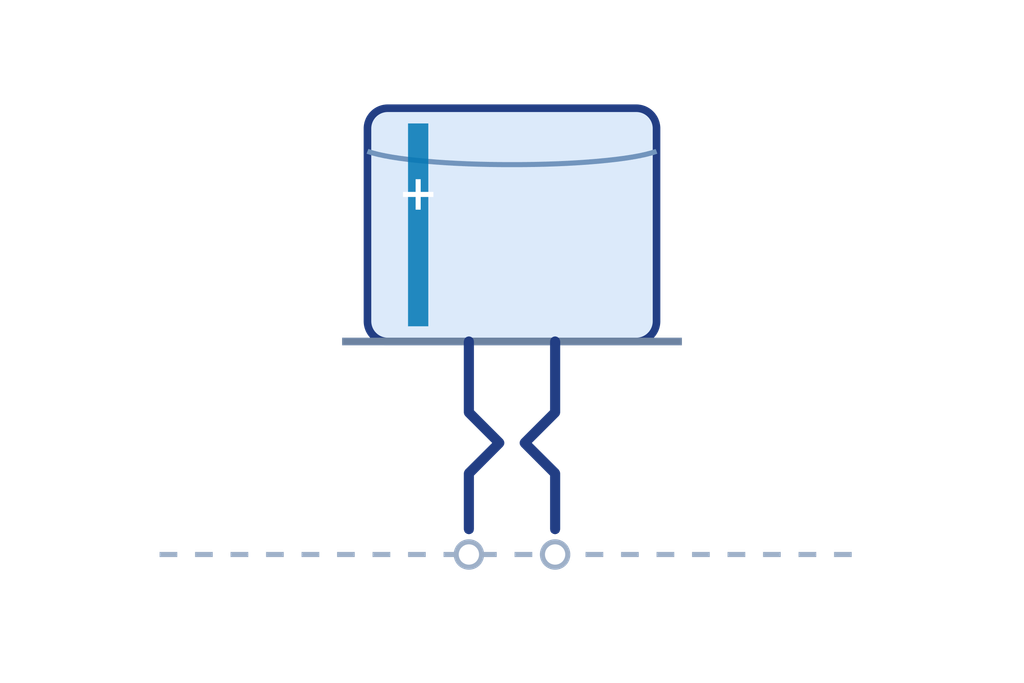
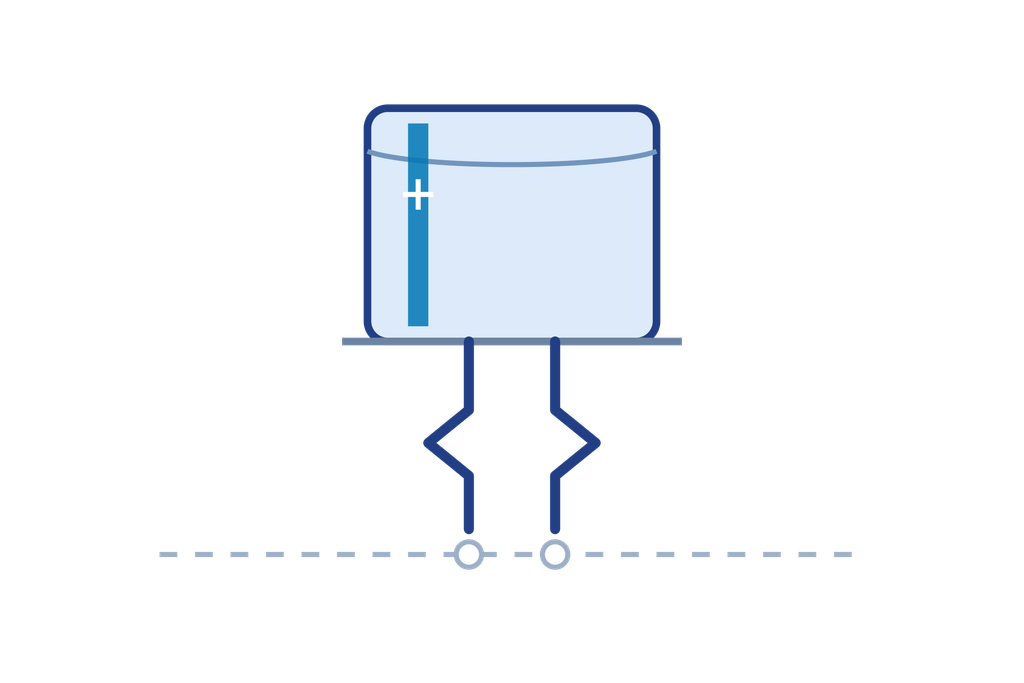
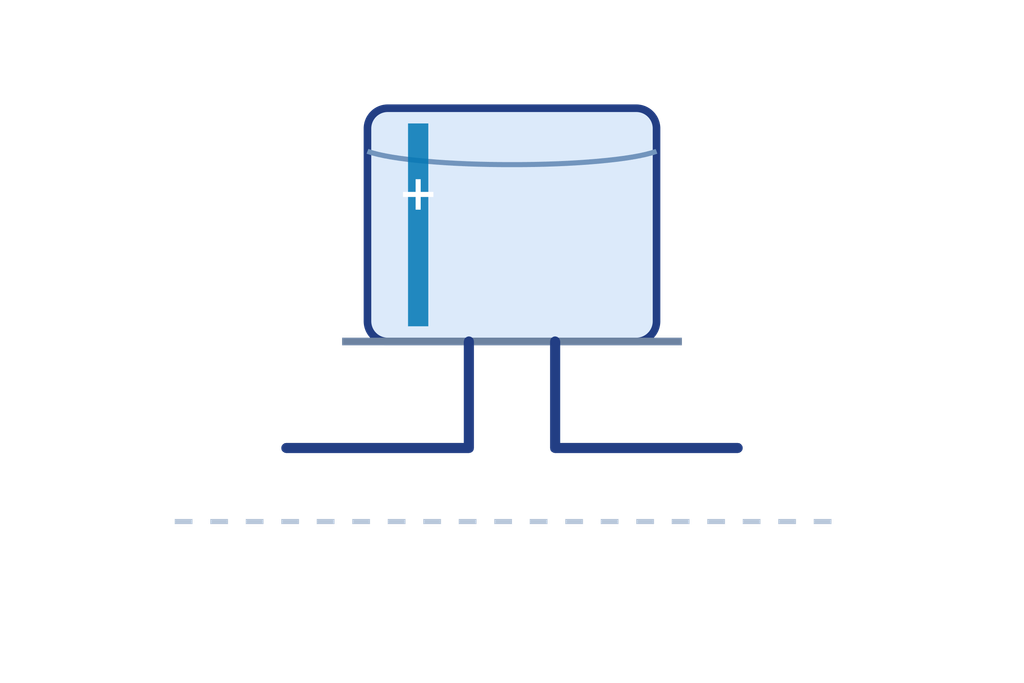
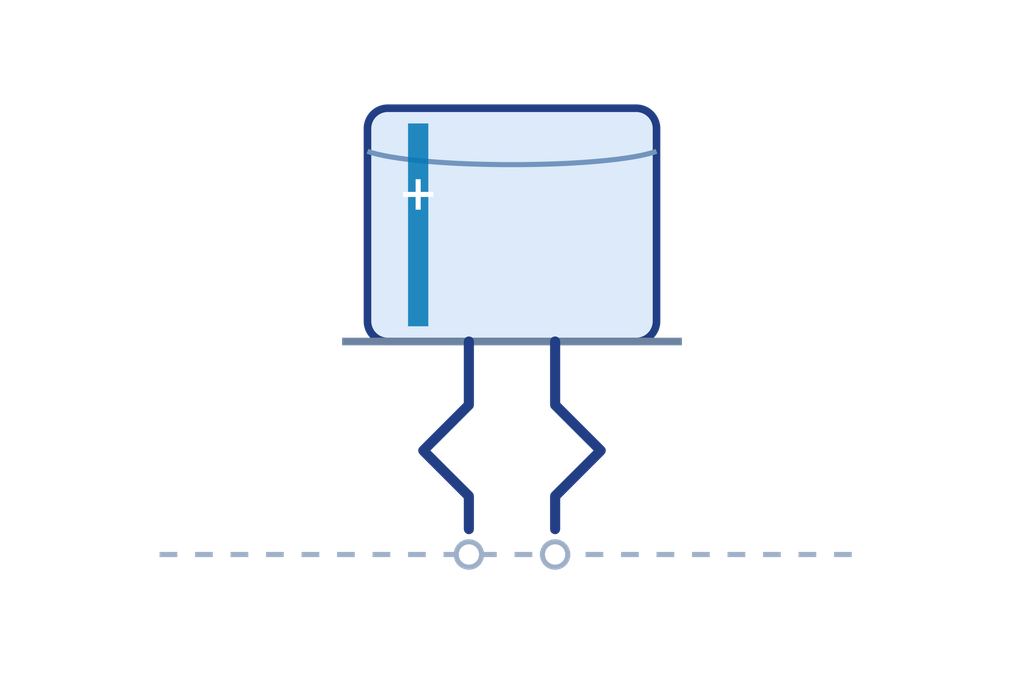
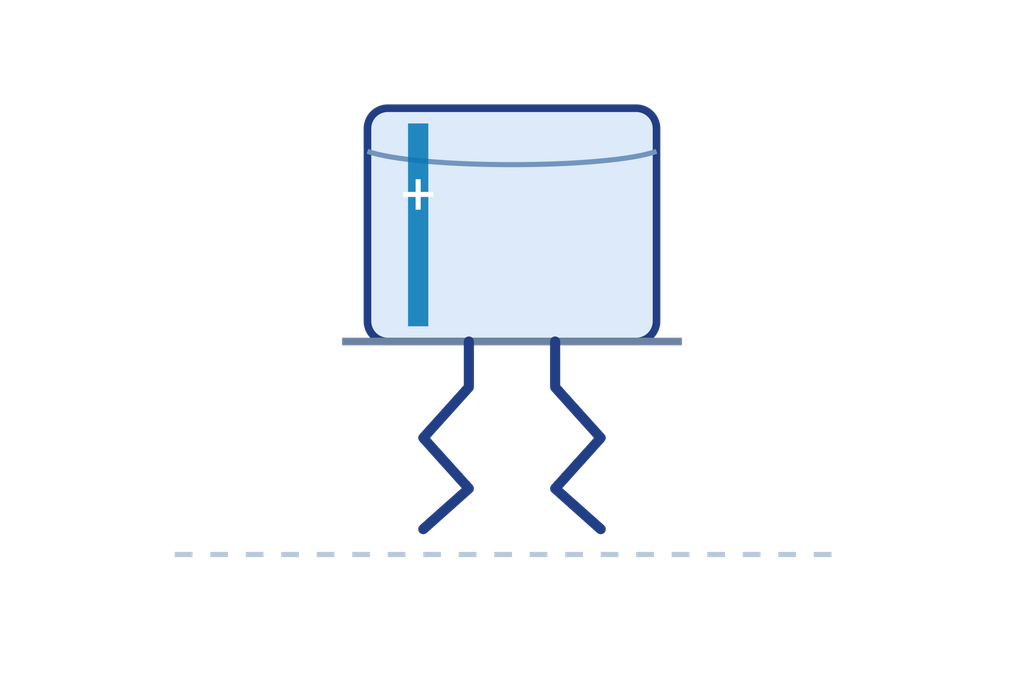
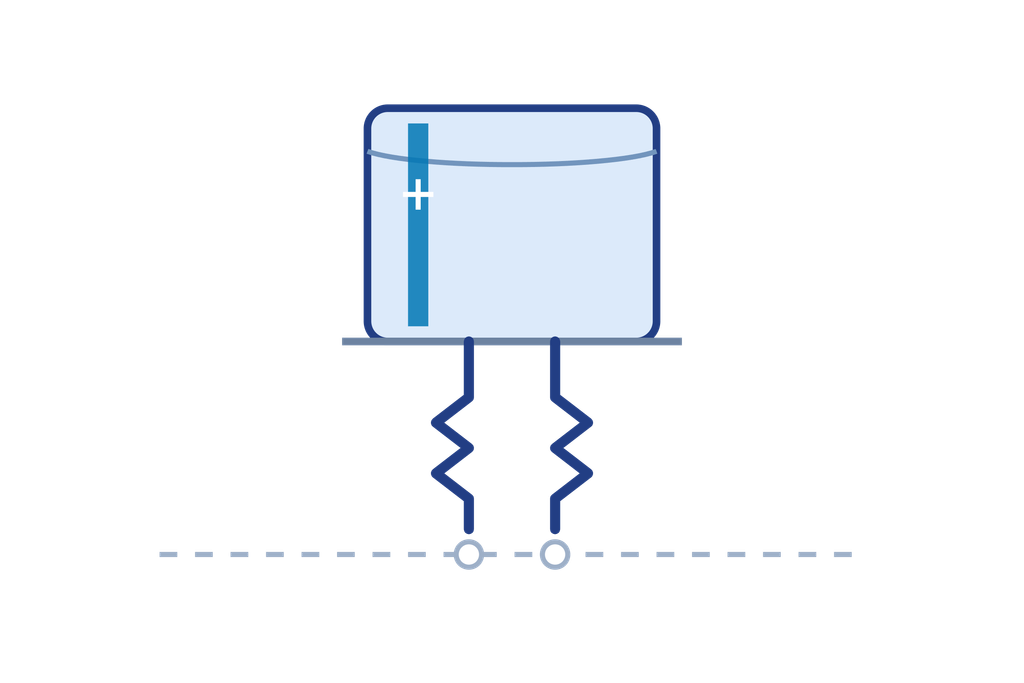
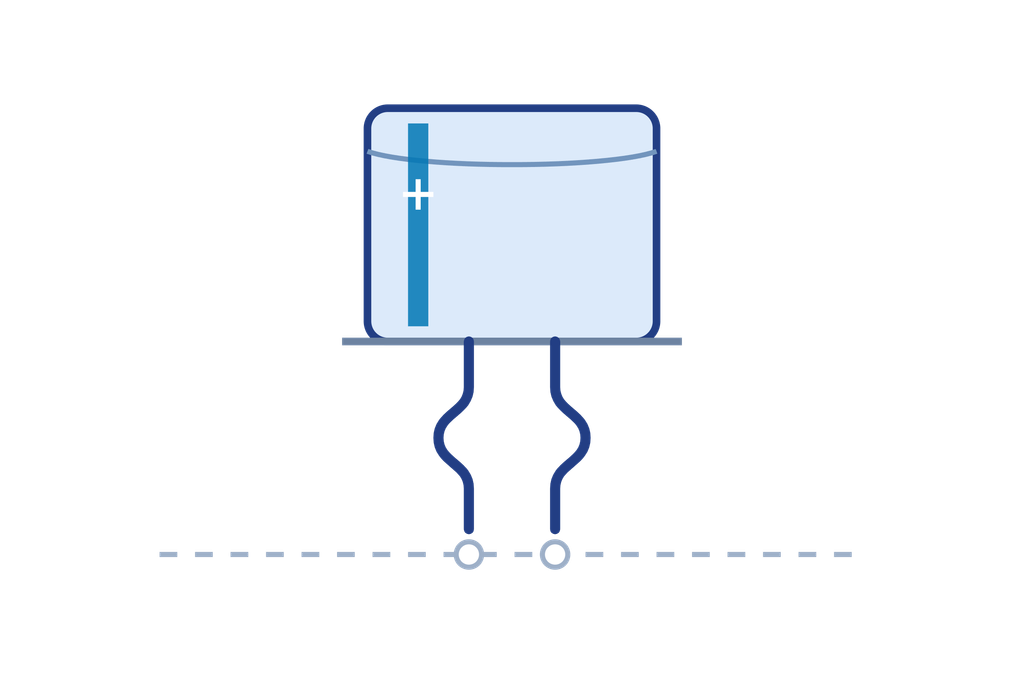
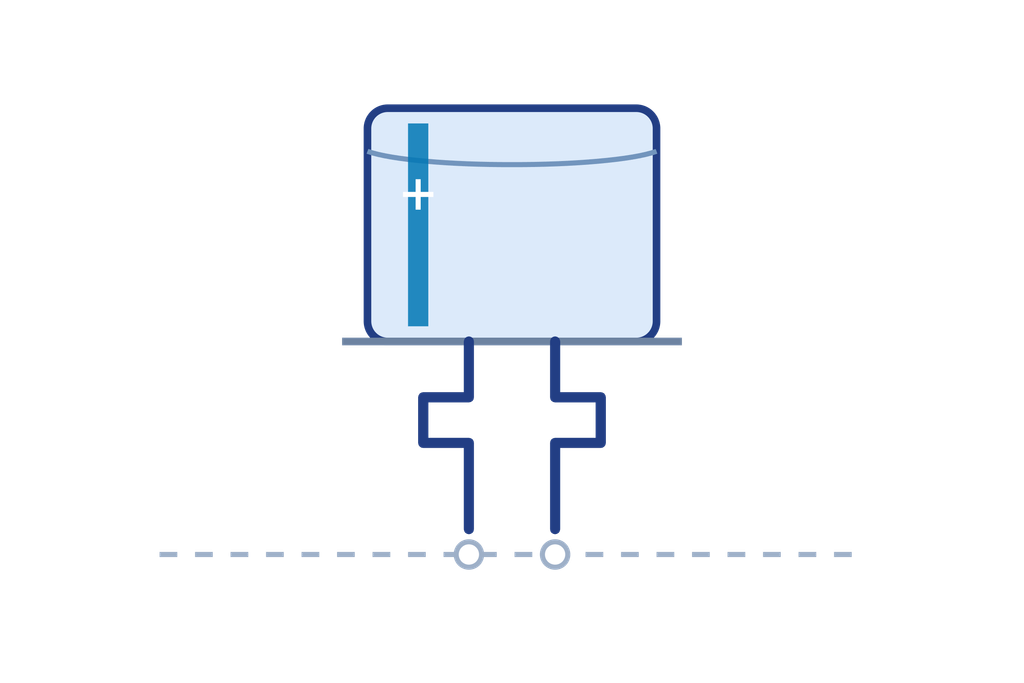
Choose the incoming material and required process. Final configuration is confirmed by engineering review and sample testing.
Compare machines by incoming material, processing method and production requirements.
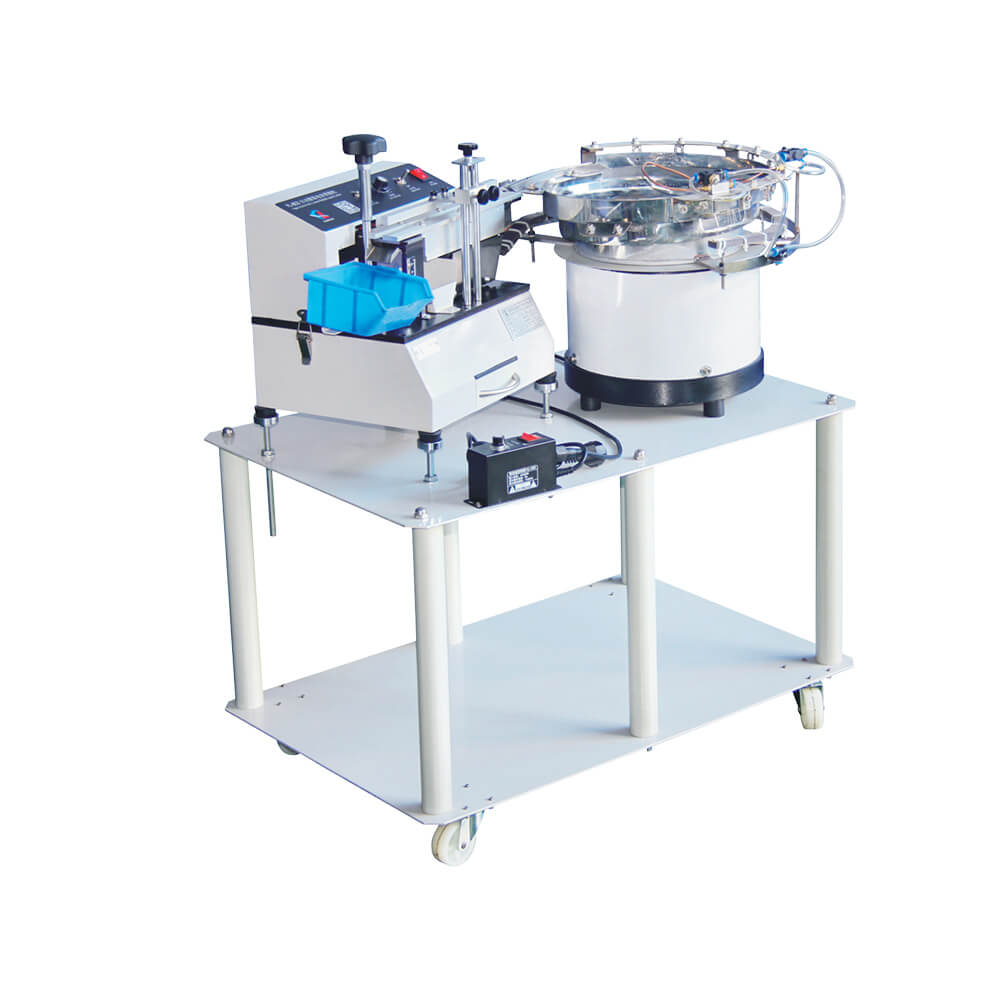
Automatic feeding, orientation, cutting and forming for bulk radial capacitors.
View DetailsAutomatic lead preparation for taped radial capacitors and compatible components.
View DetailsDedicated lead cutting and forming for varistors and compatible disc components.
View DetailsFlexible operator-loaded forming for multiple radial component sizes and profiles.
View DetailsContinuous bulk feeding with application-specific capacitor forming tooling.
View DetailsAutomatic lead cutting and forming for compatible loose radial capacitors.
View DetailsBelt-type automatic lead trimming for compatible radial components.
View DetailsCompact belt-type equipment for consistent short-lead trimming.
View DetailsHigh-speed lead trimming for loose or bowl-fed radial components.
View DetailsAutomatic bulk feeding and consistent lead trimming for radial components.
View DetailsAvailable feeding methods, lead forms and production capacity vary by model and configuration. Submit your component drawing, samples and output requirements for final machine selection.





| Issue | Possible Cause | Recommended Action |
|---|---|---|
| Inconsistent lead length or pitch | Incorrect stop setting, worn tooling, unstable positioning or lead springback. | Set dimensions from the approved drawing, inspect alignment and tooling, then verify the first formed sample against the PCB. |
| Capacitor body tilt or uneven stand-off | Unequal lead length, incorrect forming height or unstable component positioning. | Reset the dimensional reference and verify both leads, stand-off height and component seating. |
| Seal stress or body-to-lead damage | Bending too close to the body, insufficient bend radius or excessive forming force. | Increase body clearance and bend radius, then adjust clamping and forming force. |
| Feeding jams or orientation errors | Mixed parts, tangled leads, damaged components or incorrect feeder guides. | Separate parts by specification, remove damaged components and adjust the feeding track, orientation and speed. |
| Burrs or flattened cut ends | Worn or misaligned blades and incorrect cutting clearance. | Inspect, sharpen or replace the blades and set the correct cutting clearance. |
| Incorrect form after changeover | Wrong die or retained settings from the previous part number. | Install the approved die, load the correct settings and perform a first-article inspection. |
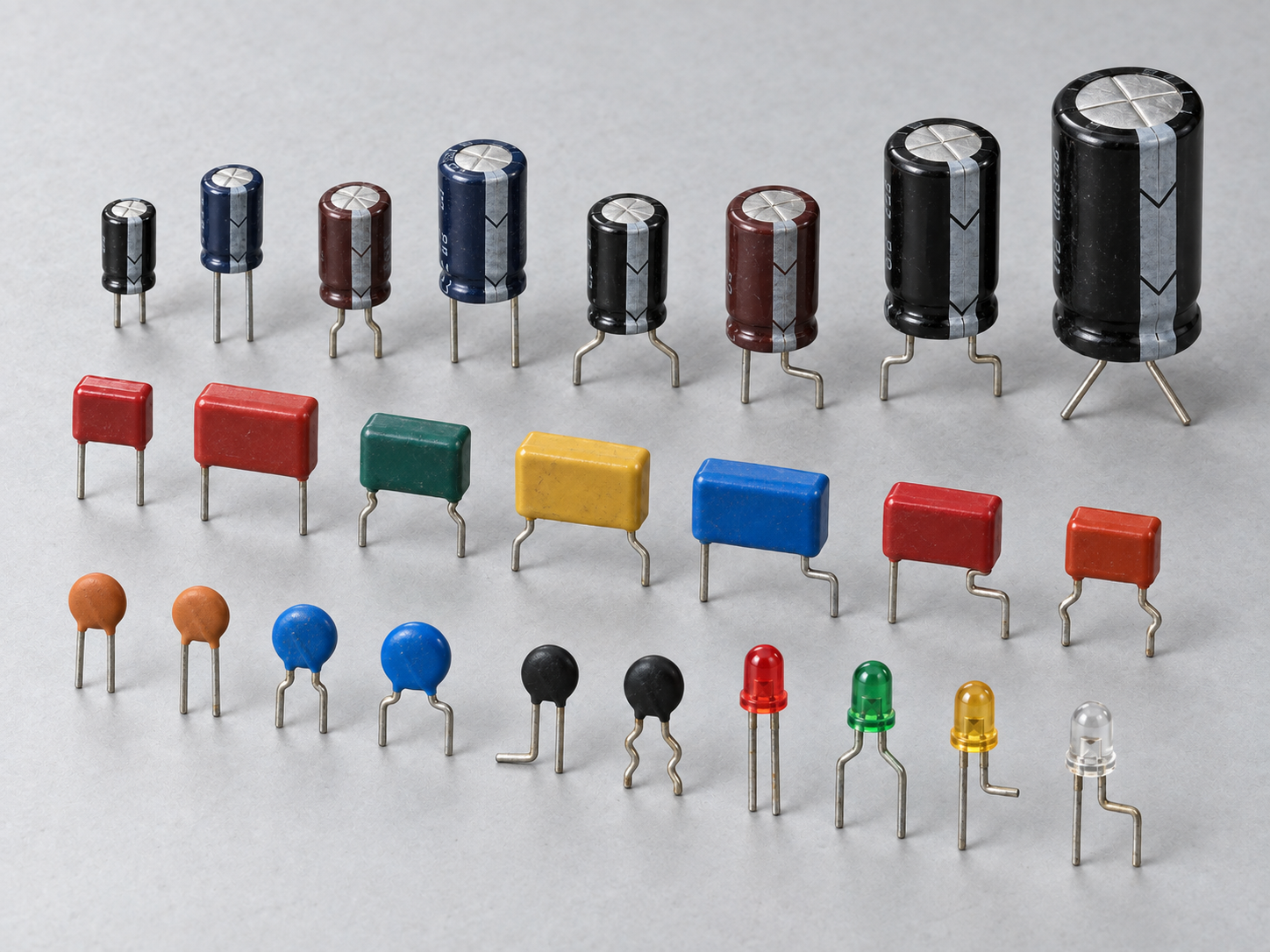
The equipment range supports radial-leaded electrolytic capacitors, metallized film capacitors, safety capacitors and selected ceramic disc capacitors. Dedicated configurations are also available for varistors, thermistors, LEDs and quartz crystals. Final compatibility is confirmed from samples and dimensional drawings.
Yes. Different models are available for loose or bulk components, vibratory bowl feeding, tube-packed components and taped radial components. The machine is selected according to the incoming packaging used in production.
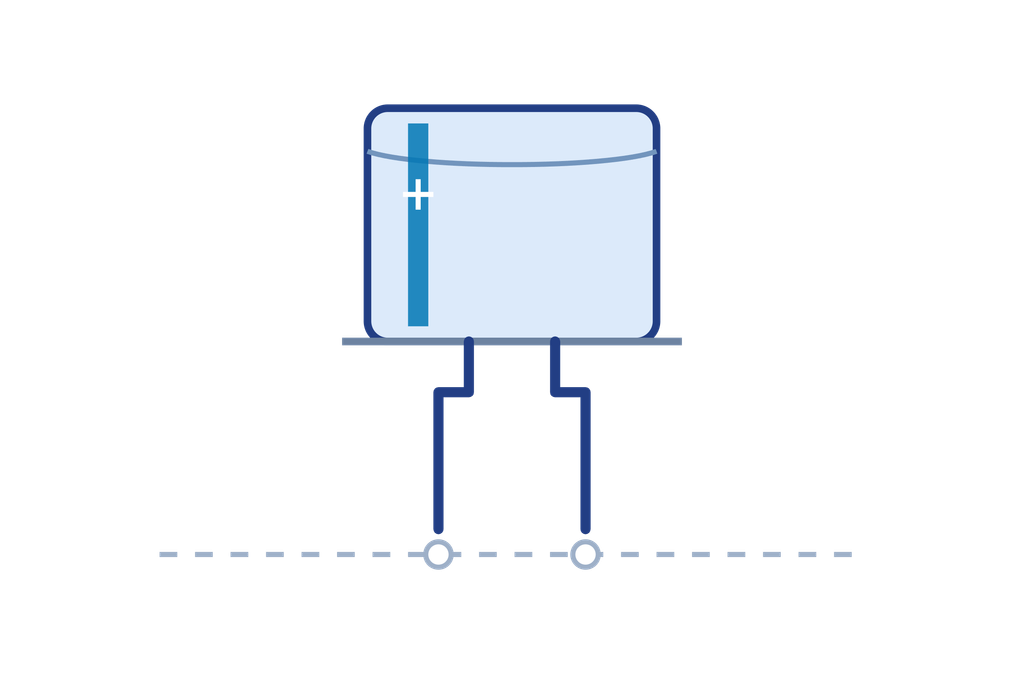
Available processes include lead cutting, straightening, 90-degree bending, inward and outward offset forming, front and rear offset forming, K-forming and stand-off forming. Tooling is configured for the required pitch, cut length, bend position and PCB layout.
A machine may process components with similar body and lead dimensions. Different profiles or significantly different sizes may require replaceable dies, adjusted fixtures or another feeding system. Compatibility is evaluated before configuration is confirmed.
The component is held at a controlled position while dedicated tooling cuts or forms the leads. Appropriate clamping force, forming clearance and bend radius help reduce deformation, plating damage and stress at the body-to-lead interface.
Provide the component type, body dimensions, lead diameter, original pitch, incoming format, required lead length, final pitch, forming profile, tolerance and target output. Drawings, photographs and physical samples are recommended.
Yes. Cutting and forming dies can be developed for non-standard lead dimensions, special bend profiles, restricted PCB layouts and application-specific stand-off requirements.
Cutting blades and forming dies are the principal wear parts. Service life depends on lead material, diameter, production volume and maintenance. Routine cleaning, lubrication and tooling inspection are recommended.