RESISTOR LEAD CUTTING & FORMING

Resistor Forming
Machines

Accurate lead dimensions. Consistent forming. Reliable PCB insertion.
Cut and form axial resistor leads to your required lead length, pitch and bend shape. Choose from solutions for taped or loose components, with tooling matched to your resistor specifications and production requirements.
  • Process taped and loose axial resistors
Control lead length, pitch and forming shape
Match the machine and tooling to your samples and drawings

What is a resistor
forming machine?

A resistor lead forming machine cuts and bends axial resistor leads to the specified spacing, length, and shape before through-hole PCB assembly.
Also known as a resistor lead former or lead cutting and bending machine, it prepares resistors for horizontal or vertical mounting. Tooling is selected according to the PCB hole spacing, mounting height, and component specifications.

Why use resistor lead forming machines?

Achieve consistent resistor lead dimensions, reduce manual processing and prepare components for reliable PCB insertion—from small batches to continuous production.

Reliable PCB fit

Precision tooling controls lead length, pitch and bend geometry, helping formed resistors align consistently with PCB holes and reducing insertion problems.

Faster production with less labor

Cutting and forming are completed in one operation. Optional automatic feeding supports continuous processing and reduces repetitive manual work.

Reduced component damage

Controlled bending positions and proper lead support help reduce stress near the resistor body, minimizing cracked coatings, loose end caps and deformed leads.

Flexible setup for different resistors

Adjustable settings and interchangeable tooling accommodate different resistor sizes, lead diameters, pitches and horizontal or vertical forming requirements.

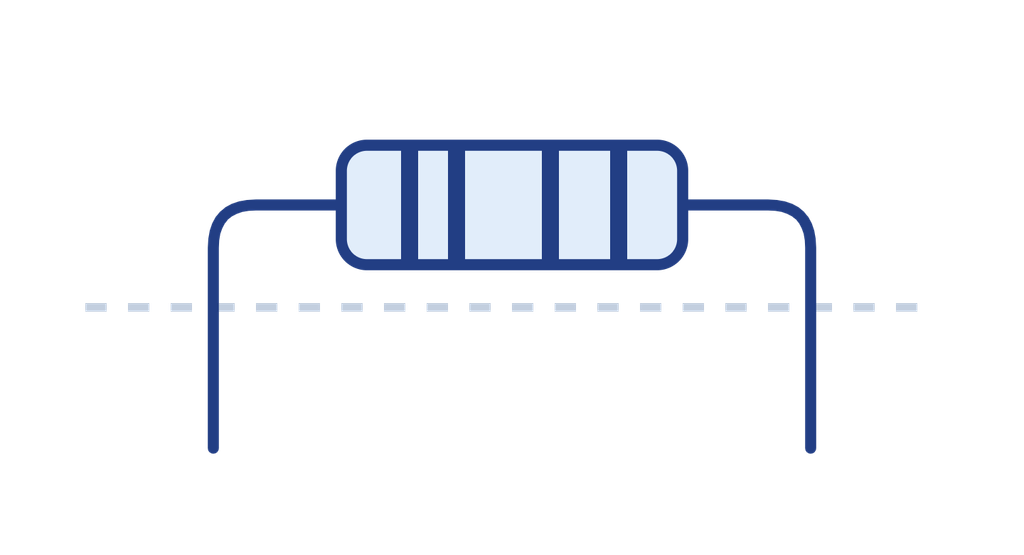
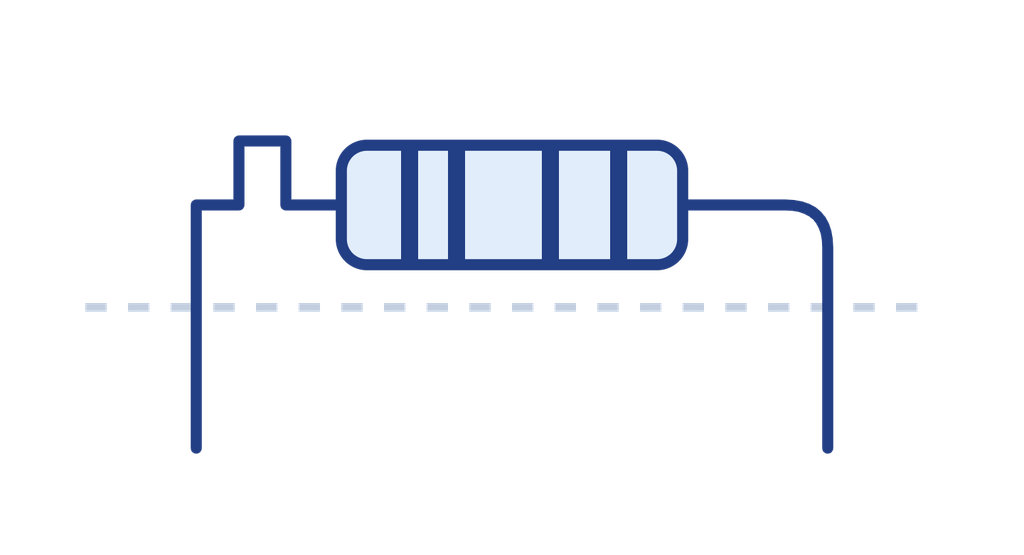
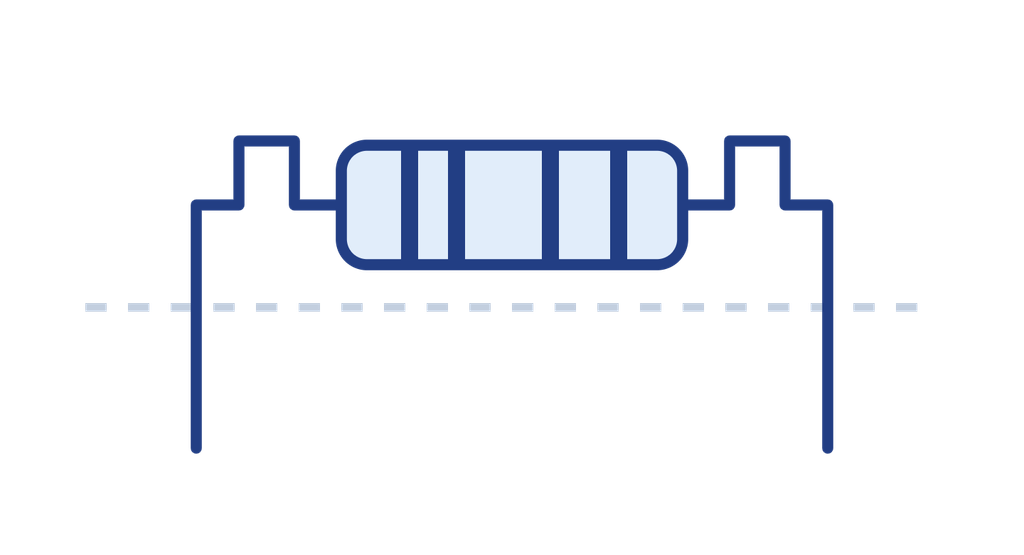
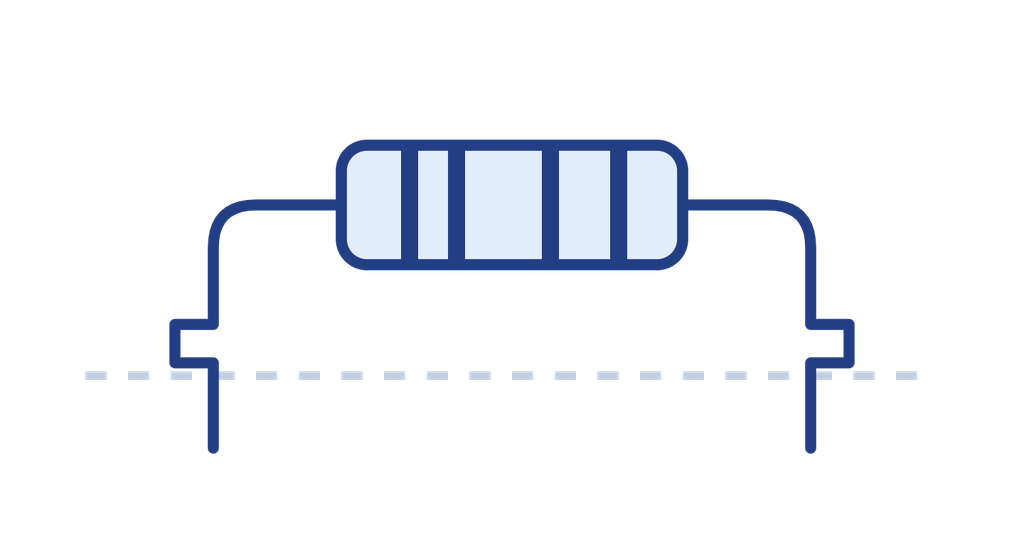
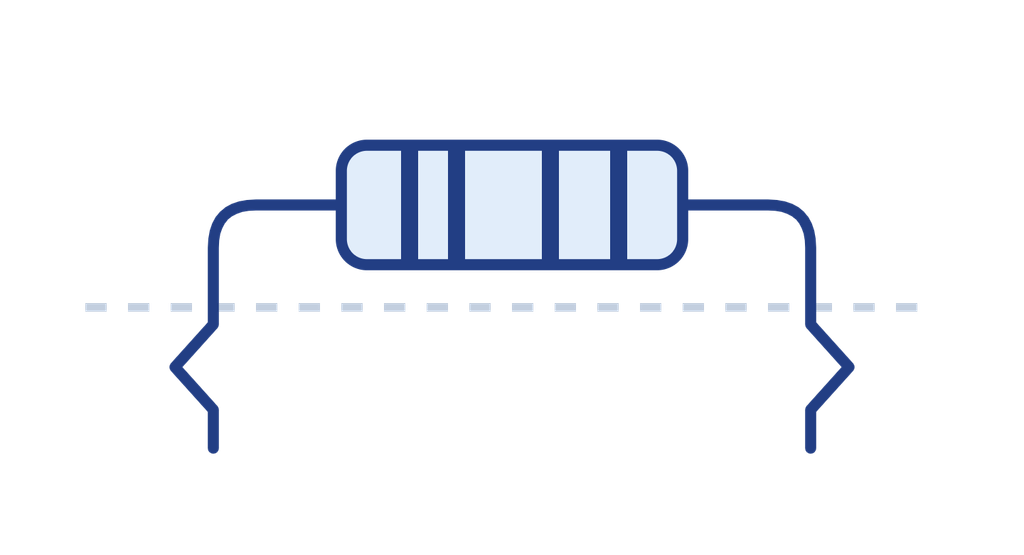
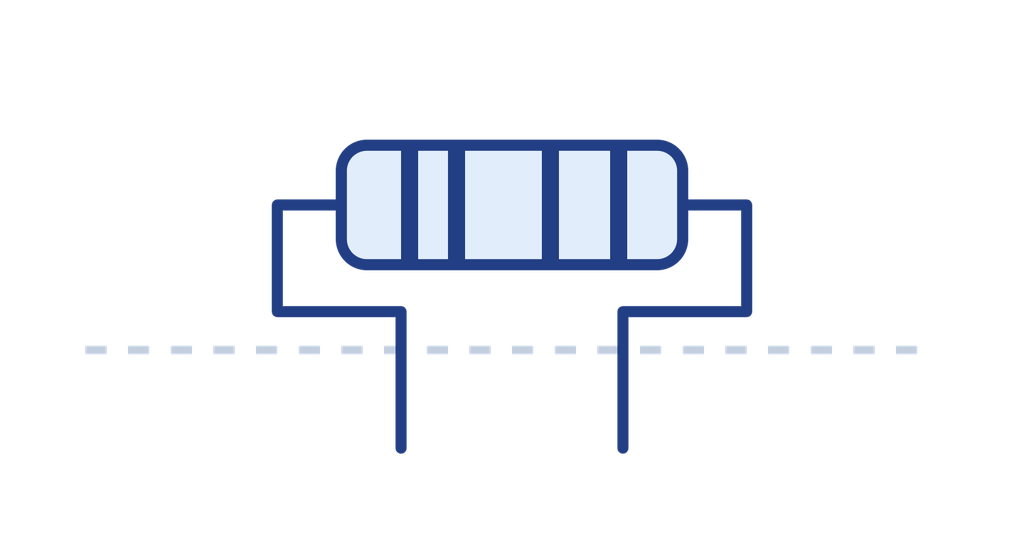
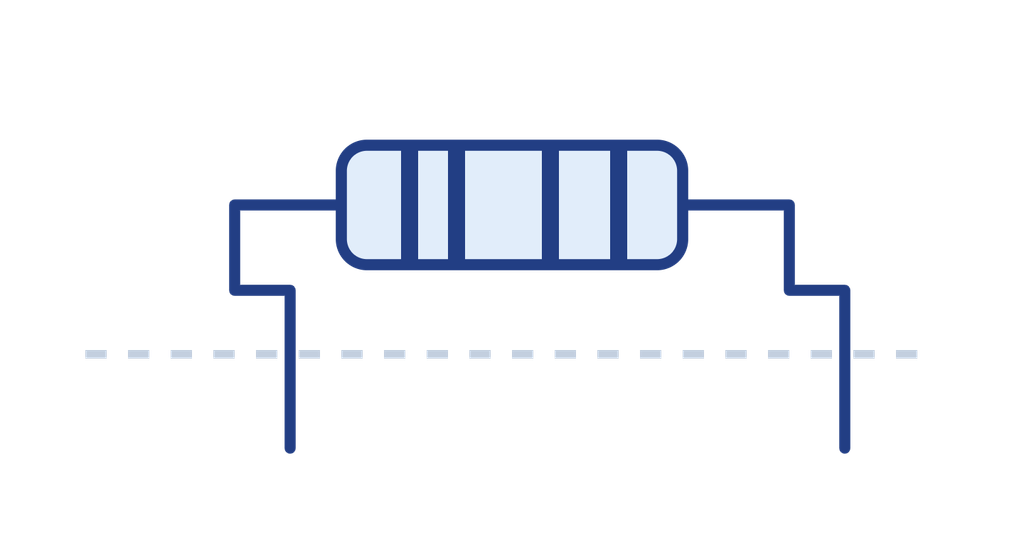
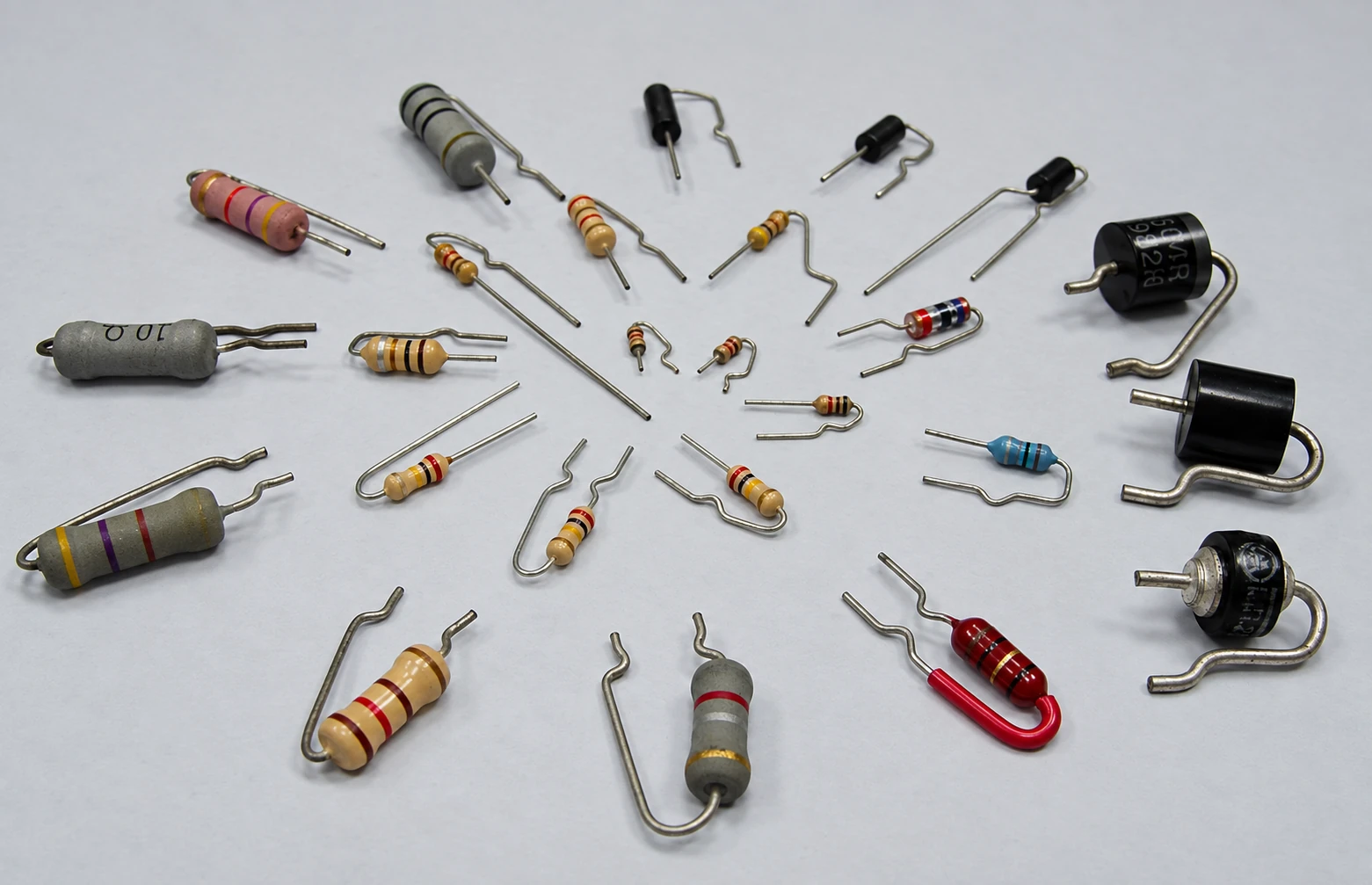
Common resistor leadforms

Specify lead spacing, cut length, mounting height, bend location, and dimensional tolerances on the drawing.
Horizontal U-form resistor lead diagram

Horizontal U-form

Vertical form

Single stress-relief bend

Double stress-relief bends

Horizontal standoff

Vertical standoff


Lock-in form

Underbody form


Offset form

Custom lead forming requirements

Send a component sample and drawing for short leads, special bends, or combined forming and welding operations.

Resistor forming machine selector

Select the packaging type, lead form, and production requirements to identify suitable models. Final compatibility must be confirmed by sample testing.

Our resistor lead forming machines

Compare models by feeding method and forming operation. Contact us to confirm tooling, component compatibility, and production capacity.

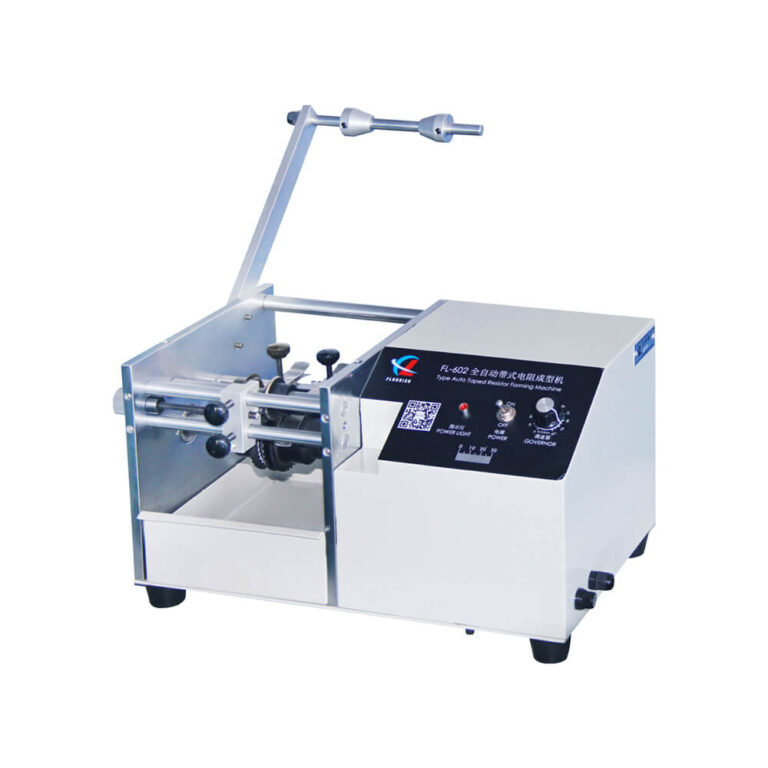
FL-602 Axial lead cutting & forming

FL-602

Axial lead cutting & forming

Axial lead cutting and forming with adjustable lead length and spacing. Available in U, F, and S configurations; confirm packaging compatibility before ordering.

View Details

FL-612 Horizontal & vertical forming

FL-612

Horizontal & vertical forming

Forms carbon film and metal film resistor leads. Interchangeable tooling supports horizontal and vertical mounting. Optional lead clamping is available.

View Details
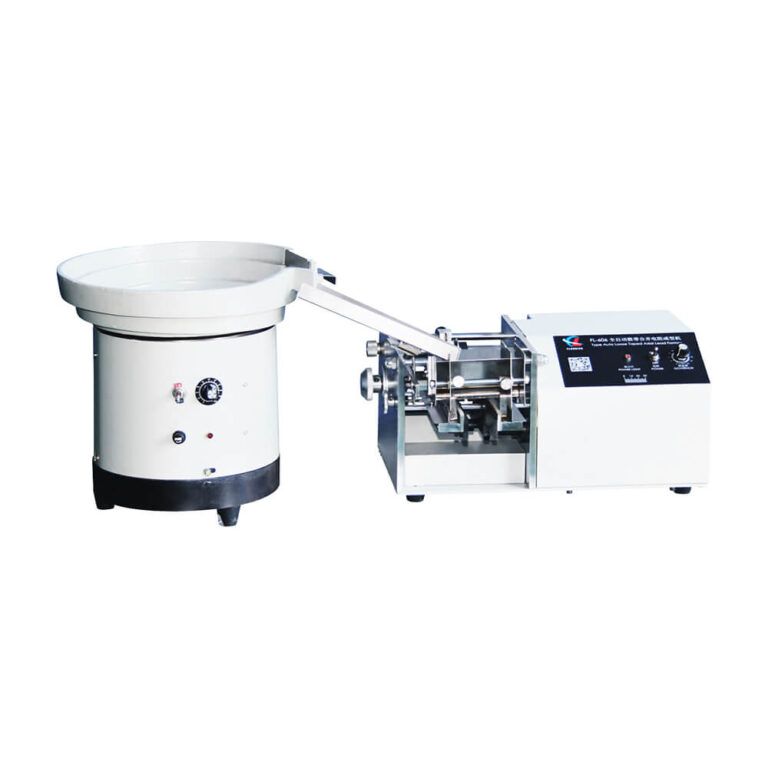
FL-606 Automatic axial lead forming

FL-606

Automatic axial lead forming

Automatic axial lead cutting and forming with a vibratory bowl feeder. Confirm the feeding configuration for bulk or tube-packed components.

View Details
FL-611 Bulk horizontal forming

FL-611

Bulk horizontal forming

Cut and form bulk axial resistors in a single operation for horizontal mounting.

View Details
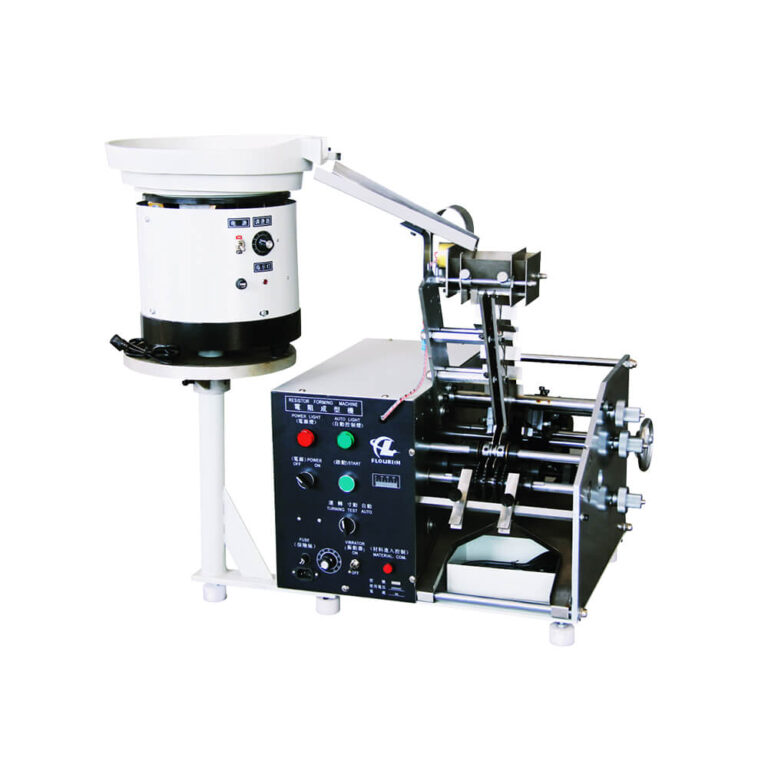
FL-608 Horizontal resistor forming

FL-608

Horizontal resistor forming

Horizontal forming with dedicated bulk- or tube-feeding configurations and application-specific tooling.

View Details
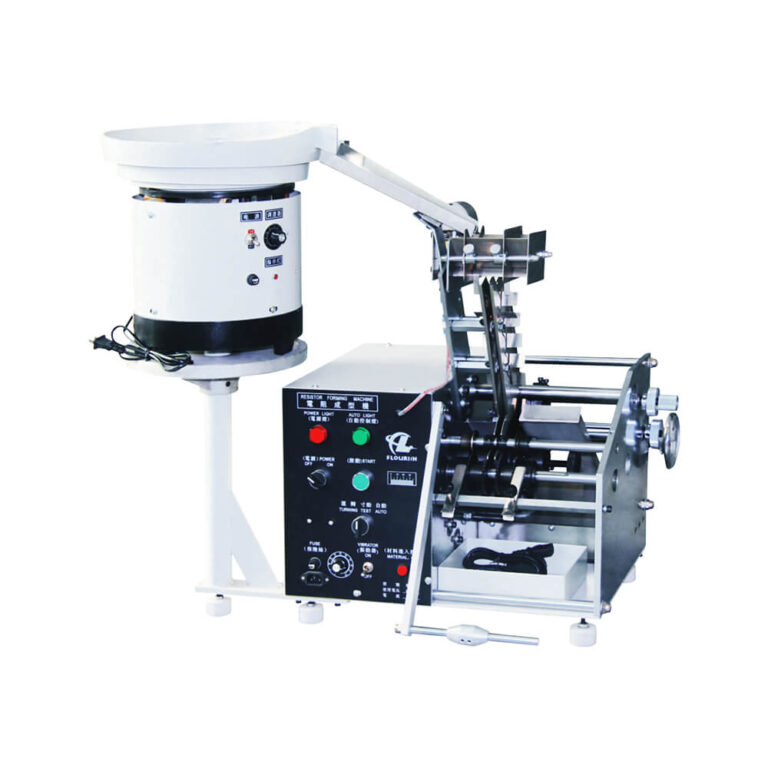
FL-609 Vertical resistor forming

FL-609

Vertical resistor forming

FK-series resistor lead forming equipment. Contact us to confirm the forming direction, feeding configuration, and tooling for your drawing.

View Details
FL-610 Tube-packed vertical forming

FL-610

Tube-packed vertical forming

Vertical lead cutting and forming for tube-packed axial components. Confirm tube dimensions and available lead length.

View Details
FL-621 Resistor forming & welding

FL-621

Resistor forming & welding

Integrates automatic feeding, cutting, bending, welding, and unloading for resistor assembly.

View Details

Available lead forms, feeding methods, and production capacity vary by model and configuration. Submit your drawing and output requirements for machine selection.


Why use resistor lead forming machines?

Achieve consistent resistor lead dimensions, reduce manual processing and prepare components for reliable PCB insertion—from small batches to continuous production.
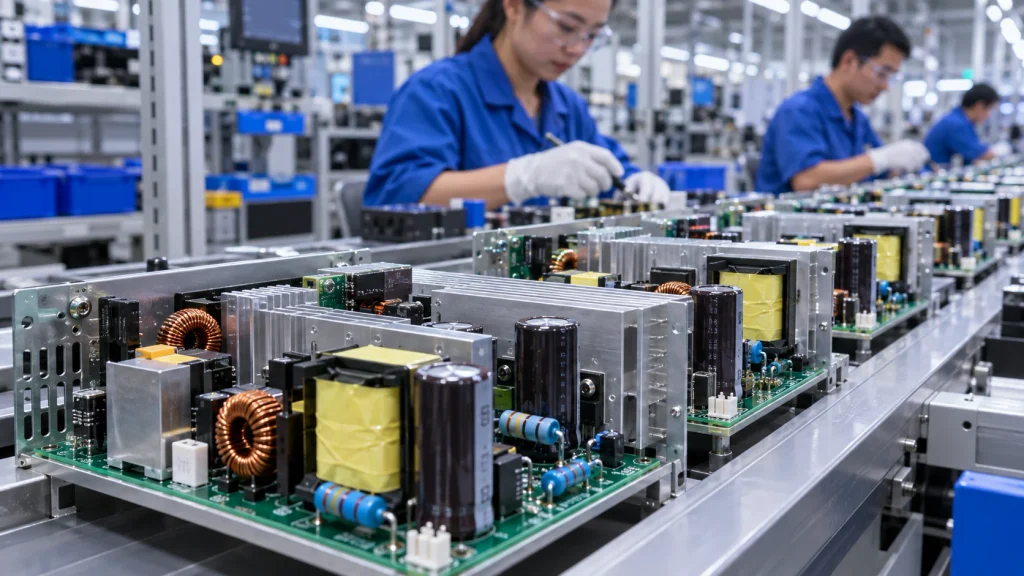
EV charging and power electronics application

EV Charging & Power Electronics

Solar Inverters & Renewable Energy

Industrial Automation & Motor Drives

Data Center & UPS Power

Telecom & Network Power Systems

Power Supply Manufacturing

Resistor Lead Forming Troubleshooting Guide

Resistor Lead Forming Troubleshooting Guide
IssuePossible CauseRecommended Action
Incorrect lead spacing Incorrect forming-pitch setting, worn tooling, component misalignment or lead springback. Set the forming pitch according to the approved drawing. Inspect the tooling and component alignment, then measure the formed sample and verify its fit with the PCB.
Inconsistent cut length or mounting height Incorrect positioning reference, unstable feeding, an improperly adjusted feed stop or worn cutting blades. Confirm the measurement reference and adjust the feed stop. Inspect the cutting blades and compare the first formed parts with the approved sample.
Lead deformation or body coating damage Rough tooling surfaces, burrs, excessive forming force, insufficient lead support or bending too close to the resistor body. Inspect the tooling surface and clearance. Adjust the lead support and forming force, and maintain the required bend radius and distance from the resistor body.
Feeding jams or component misalignment Incorrect feeder setup, mixed component sizes, damaged parts, tangled leads or improper feeding orientation. Separate components by part number and remove damaged parts. Adjust the feeder guides, component orientation and feeding speed.
Incorrect dimensions after changeover Incorrect tooling, retained settings from the previous part number or incomplete machine adjustment. Install the correct tooling and load the approved settings for the new part number. Perform a first-article inspection before restarting batch production.

Resistor forming knowledge center

Practical guides for understanding the forming process, defining lead dimensions, selecting equipment, and solving common production problems.

Equipment for Resistor Lead Cutting andForming

Compare forming equipment for taped, loose, horizontal, and vertical resistor applications.

Axial Resistor Lead Forming Workflow

Follow the process from lead cutting and bending to final PCB-readygeometry.

Standards Resistor Lead Forming Dimensions and Standards

Review lead length, pitch, bend position, and PCB layout considerations.

Resistor Forming Machine Troubleshooting

Identify common forming defects, likely causes, and corrective actions.

Custom equipment
process

We evaluate your component and production requirements to determine the required tooling, feeding system, and machine configuration.

Submit requirements

Provide component samples, a forming drawing, packaging details, and the required production output.

Confirm the equipment proposal

Review the proposed lead form, feeding system, tooling, and additional
operations with our engineers

Approve formed samples

Check dimensions, surface condition, and PCB fit against the agreed acceptance criteria

Confirm the order

Confirm the quotation, equipment specifications, utility requirements, delivery
schedule, and installation support.

FAQ

Answers to common questions about component compatibility,
tooling, pricing, and sample testing.

Our resistor lead forming machines support a wide range of common axial resistor body sizes and lead specifications. To confirm compatibility, send us the resistor body dimensions, lead diameter, lead pitch, target lead length, packaging type, and required forming style. We can recommend the appropriate configuration and arrange a sample test if needed.

The machine is designed for repeatable cutting and bending so lead pitch, lead length, and bend angle remain consistent across batches. This helps reduce hard insertion, misalignment, uneven lead protrusion, soldering variation, and rework associated with manual forming.

Depending on the machine and tooling configuration, available processes may include lead cutting, horizontal U-forming, vertical forming, standoff bends, stress-relief bends, and other application-specific shapes. Send us the target lead form, final pitch, and component drawing so we can confirm the appropriate tooling and machine configuration.

Routine maintenance includes cleaning, lubrication, and periodic inspection. Typical wear parts include cutting blades and forming tooling, depending on the lead material and production volume. We provide recommended maintenance and spare-parts guidance to help plan service and reduce unexpected stoppages.

Lead time depends on the machine configuration and required customization. We confirm the production schedule after the component samples, forming specifications, and equipment configuration are approved. Remote installation guidance or on-site support can be arranged according to project requirements.

The price depends on the model, feeding system, tooling, component range, and additional operations. Submit a component drawing, packaging details, and production requirements for a quotation covering the equipment, options, spare parts, and shipping.

Manual equipment may be suitable for prototypes and small batches. Automatic equipment may be more suitable for regular production. Compare production volume, changeover time, labor requirements, dimensional tolerances, and total operating cost.

Contact us to arrange a forming test using your components and drawing. Evaluate lead dimensions, surface condition, and PCB fit against the agreed acceptance criteria. Confirm production capacity, changeover requirements, utilities, spare parts, and support in the equipment quotation.


Why Choose
FLOURISHE?

From Japanese-steel forming tooling and Mitsubishi PLC controls to custom engineering and sample-based testing, we build resistor forming solutions for reliable, repeatable production.

Precision Tooling Made from Japanese Steel

Our cutting and forming tooling is manufactured from imported Japanese tool steel for improved wear resistance, dimensional stability and consistent forming during repeated production.

Reliable Mitsubishi PLC Control

Mitsubishi PLC control provides stable machine operation, accurate process control and convenient parameter adjustment for consistent batch production.

Experienced Forming Engineering Team

Our engineering team evaluates the resistor body, lead material, lead diameter, target pitch, cut length and bend shape before developing the forming solution.

Custom Tooling for Your Components

Forming tooling can be customized according to your resistor samples, component drawings, PCB hole spacing and required lead shape, including horizontal and vertical forming configurations.

Sample Forming Test Before Shipment

Before shipment, the machine is test-run with your component samples. Formed parts are inspected against the confirmed dimensions and forming requirements before final approval.

Production and After-Sales Support

Organized production scheduling and inventory control help coordinate machine components, tooling and commonly used spare parts. After delivery, our team provides operating guidance, troubleshooting and replacement tooling support.

Send your resistor sample for a forming test

Provide a component sample, forming drawing, packaging details, and required hourly output.

Learn how we helped 100 top brands gain success.

Let's have a chat

WhatsApp
Flourishe WhatsApp QR Code Scan to contact us
WeChat
Flourishe WeChat QR Code Scan to contact us